
Dog owners whose pets attack or chase livestock now face unlimited fines and the real possibility of having their animals seized under sweeping new legislation that came into force across the UK this week.
Pet owners are being warned of a significant legal change that began on March 18, 2026, with the potential for unlimited penalties and the confiscation of dogs if they breach the updated rules. The overhaul expands police powers and dramatically increases the financial consequences for owners whose animals endanger livestock.
The legislation specifically targets incidents where dogs attack livestock and raises the maximum penalty from £1,000 to an unlimited fine. It also introduces the power for police to “seize and detain a dog where they have reasonable grounds to believe there is a risk that the dog could attack or worry livestock again”.
The Department for Environment, Food and Rural Affairs (Defra) explained: “Livestock worrying can happen when a dog attacks, chases or is loose among livestock. Dogs don’t need to make contact for harm to occur. Fear and stress alone can harm livestock, and, in severe cases, cause them to die. The impact on livestock keepers can be devastating. They face financial loss as well as personal distress.”
Dog Walking Alteration
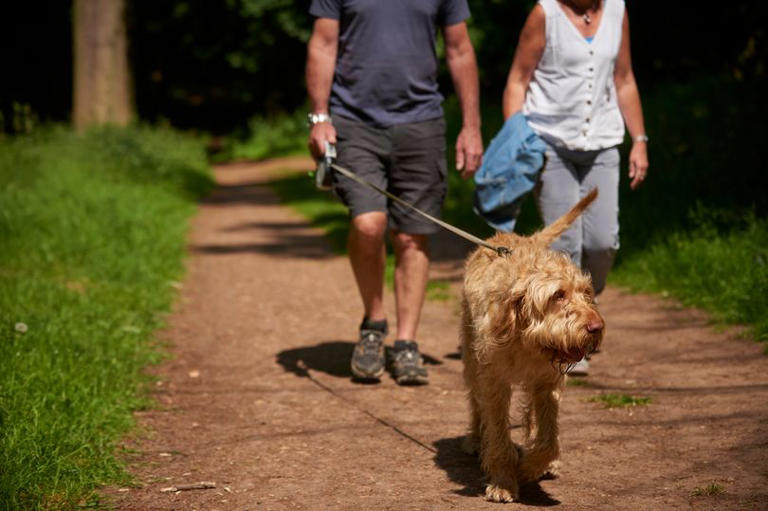
The new law distinguishes more clearly between attacking livestock and worrying livestock, explicitly highlighting the violent nature of attacks. While it does not create a new offence — both behaviours are already covered under the Dogs (Protection of Livestock) Act 1953 — the reframing strengthens enforcement and deterrence.
The key changes include:
- A new defence for dog owners, exempting them from liability if the dog was in the charge of another person at the time of the offence without the owner’s consent (for example, if the dog was stolen)
- New powers allowing courts to order offenders to pay the costs of seizing and detaining a dog
- An unlimited fine as the maximum penalty (previously capped at £1,000)
Police have also been given enhanced investigative powers, including:
- The power to seize and detain a dog if there are reasonable grounds to believe it poses an ongoing risk of attacking or worrying livestock. The dog can be held until an investigation concludes or, if proceedings are brought, until those proceedings are determined or withdrawn
- The authority to enter and search premises to identify, seize and detain a dog for the prevention of future incidents, to collect samples or impressions, or to seize other evidence
For more information on the dog walking law click here.
Get More Related Contents Here
Leave a Reply